In Yi Cheong-jun's novel 'This Paradise of Yours,' Yi Sang-uk tells Colonel 'Cho Baek-heon,' the newly appointed director, that the former director Ju Jeong-su had, without even realizing it, become obsessed with erecting a statue of himself. What is a 'statue,' and what meaning does the word 'statue' bring to me? A statue, huh... To erect a statue of oneself means clinging to one's own cause and goals while paying no heed to other people's circumstances. In today's organizations, where 'performance-centrism' runs rampant, it may in a way be an inevitable thing.
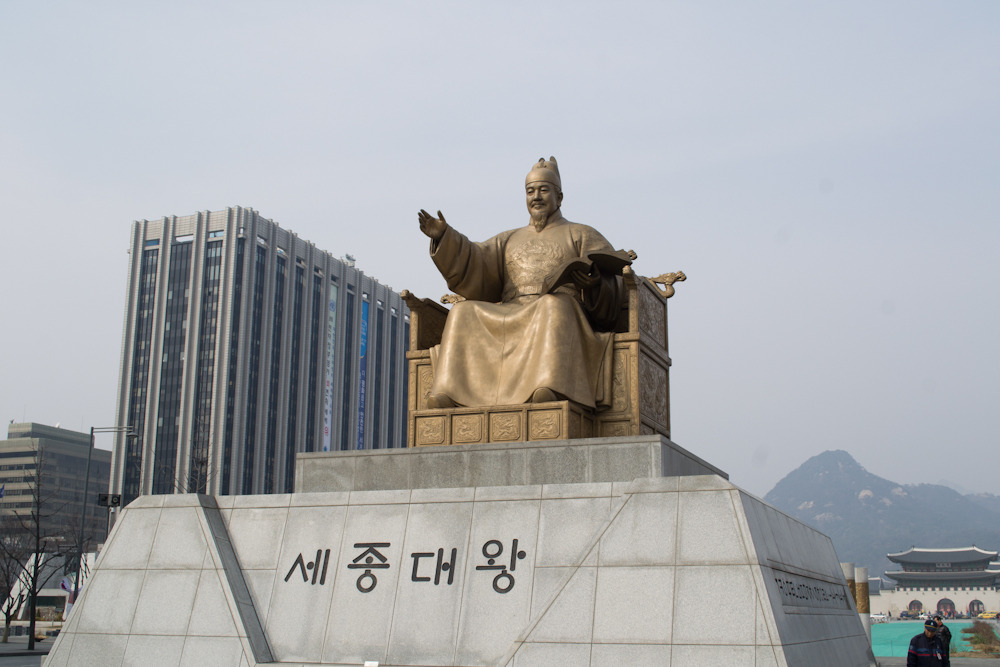
Director Ju Jeong-su at first moved the islanders by declaring he would build a 'paradise,' and drew out their participation. And very voluntary participation at that. In the novel, the director's 'paradise construction' was a very encouraging thing in the early days of his tenure. Ju Jeong-su was depicted almost as the first person to take such an interest in Sorok Island, which no one had ever properly cared about. The stories of the former directors weren't even mentioned at all. The previously appointed directors were classified into 'Ju Jeong-su' and people who were not Ju Jeong-su. At first he created an organization called the 'council' and sought voluntary participation. The islanders responded to this. But as the years passed, the islanders' voluntary participation gradually declined. The things Ju Jeong-su conceived and schemed became, in the end, hard to accept as anything other than actions to carry out his own ideology.
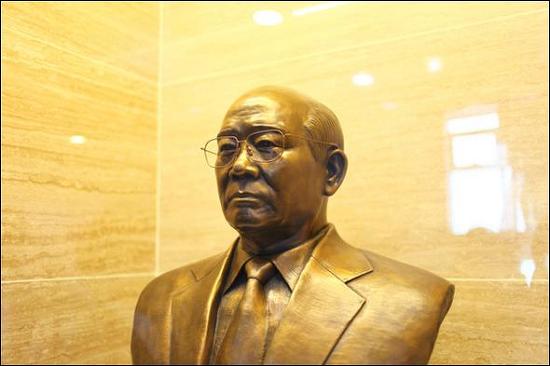
The 'heads' of countless groups in Korea often fail to properly grasp reality. In the past, the structure inevitably had a majority of figures who had risen from the very bottom. To begin with, 'elites' were a very small minority, and the rest, the vast majority, were mostly figures who had gradually gained experience from the bottom up. Back then, there were at least more cases of consideration for the 'field worker.' That's because they'd had various experiences and held memories of 'the actual.' Now it's not so. Now there are increasingly many people who, from the start, began doing only the 'manager' role rather than being field workers. Without any field experience whatsoever, people who only 'manage' are increasing. This creates a 'reality' in which countless organizations are forced into inefficient practices because of managers with low comprehension of the work. Yet there's no one to stop this.

I'm curious. I'm curious just how the organizations of the past were operated. In the era of royal authority, when one disobeyed an order, if the reason wasn't valid, 'punishment' was usually carried out. Here, the reasonableness of the reason wasn't judged by the minister who raised the objection, but solely by the 'king.' So it was very subjective, and you'd be hard-pressed to find even a speck of objectivity. (Of course, looking at the records, I imagine wise kings often sought counsel.) Because of that, to put forward one's own opinion against this 'subjectivity' was tantamount to risking one's life, and people seem to have come to follow the king's opinion, not speaking recklessly. If so, this means that even in the past, when kings became obsessed with their own 'statues,' it could well have happened that they failed to see the actual situation at all because of erecting statues. In the end, this says that no group in the world, whether or not it holds the thought of 'let us consider everyone,' finds it hard for the outcome to turn out that way—but since that's too pessimistic a conclusion for me, I don't want to judge it this way. So I'm curious. How it actually was.
I think society can develop in a more positive direction. And I think someone is doing so. Steering things only in a direction beneficial to oneself is not right. Society must change so that it can benefit everyone. I think that's possible. I want to believe it depends on the degree of effort.
Comments 0
No comments yet. Be the first.